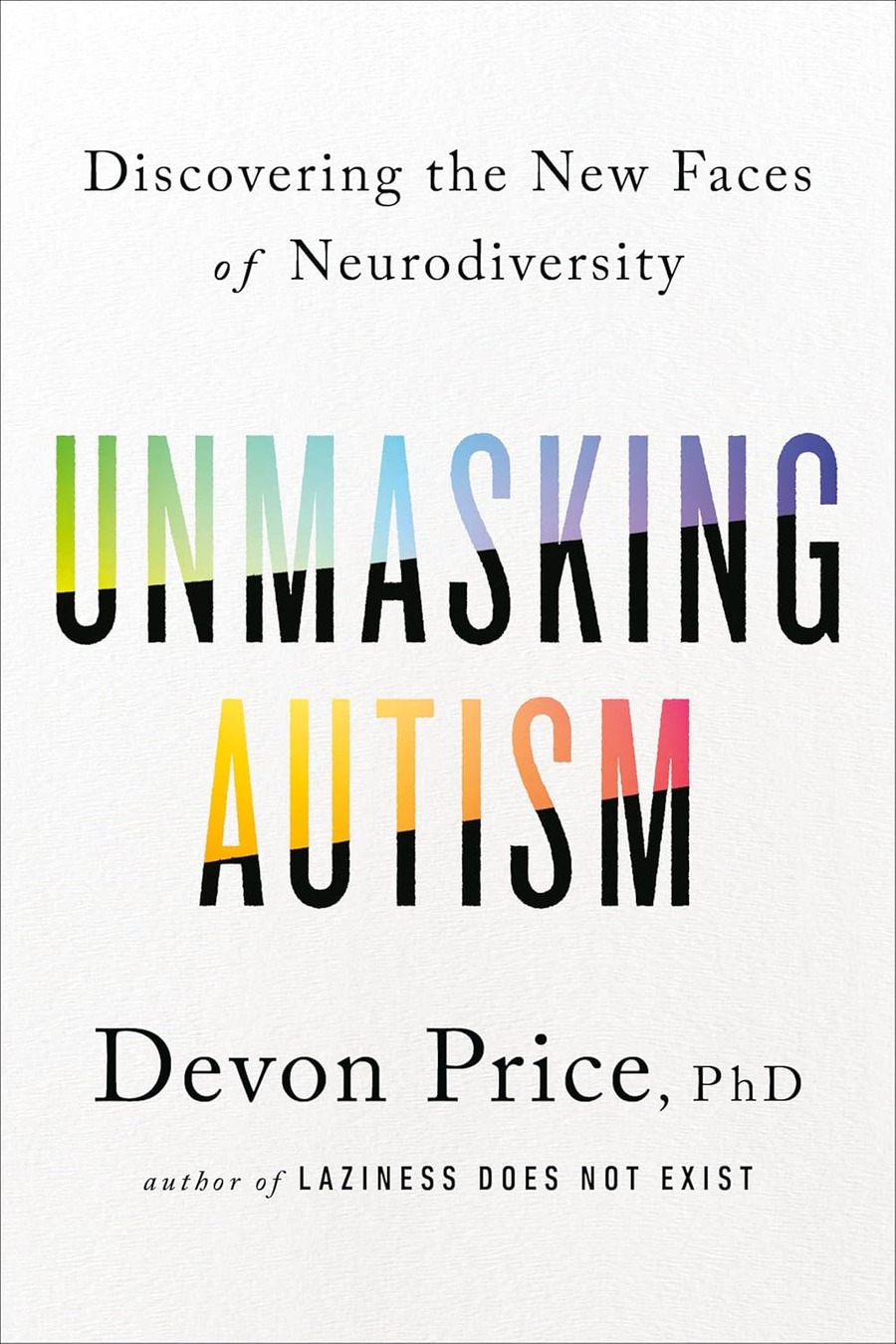
Some books help you stop arguing with your own nervous system long enough to listen.
Unmasking Autism by Devon Price is one of those books for many people exploring autism, masking, late identification, and the exhaustion of performing acceptability.
I am including it in this recommended reading series because masking is not just a behavioral habit. It can become an entire survival arrangement: study the room, translate yourself, hide the cost, stay acceptable, collapse later.
Why this book matters
The great gift of this book is its attention to the hidden cost of masking. It gives language to the person who has looked functional, agreeable, intelligent, or socially capable from the outside while carrying a very different story inside.
For many late-identified or questioning autistic adults, the ache is not simply, “Why am I different?” It is often, “How much of myself did I have to hide in order to survive?”
That question belongs close to the Real Self. Not because autism is a defense. It is not. But because chronic misunderstanding, correction, overload, and pressure can create protective parts around the neurodivergent self.
How to read it
Read it slowly and with discernment. A book about unmasking can accidentally become another demand if you turn it into a performance project.
Unmasking is not the same as telling everyone everything. It is not ripping away protection before enough support exists. It is not forcing vulnerability in rooms that punish honesty.
The wiser question is smaller and more humane: where might one true signal be allowed to breathe?
Three doorways to notice
Masking and self-erasure. Notice where being acceptable has required too much disappearance.
Safety and pacing. Watch for the difference between authentic living and pressured exposure. The Real Self does not confuse exposure with wisdom.
A life that fits. Pay attention to the practical question beneath the emotional one: what would change if your life respected your actual nervous system?
When this book may help
This book may be useful if you are autistic, questioning, late-identified, loving someone autistic, or trying to understand why masking can look like competence while feeling like slow self-abandonment.
It may be especially helpful alongside The Neurodivergent Self, because both books care about the difference between a nervous system and the protective adaptations that form around pain.
Questions to Consider
- Where do I feel most pressured to appear easier, calmer, clearer, or more acceptable than I actually feel?
- What does my mask protect me from, and where has it begun to cost too much?
- What is one small, safe-enough way my actual nervous system could have more room this week?
A Small Practice
Before changing anything outwardly, notice one moment when the mask appears. Do not attack it. Ask what it is protecting. Then ask what kind of support might make one degree of honesty safer.
Clinical note: This reading feature is educational and reflective. It is not a diagnosis, crisis care, autism assessment, or a substitute for psychotherapy, medical care, occupational therapy, coaching, or individualized professional support.